Casino as a Destination: What the Evidence Can Tell Us
Casino as a destination in Bình Dương: learn to read venue plans, images and records carefully, and build a local history without turning promotion into fact.
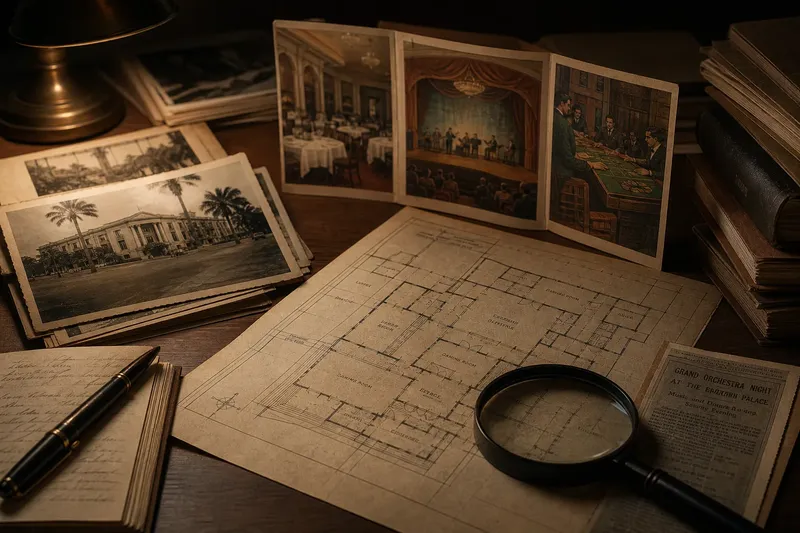
What can you responsibly say about casino as a destination in Bình Dương when the surviving record is thin? Begin with a named venue and a traceable source, then ask what that record establishes about its design, public image or documented activity. A broad idea about casinos cannot supply missing local history.
Casino as a destination needs local evidence
Calling a venue a destination suggests that it invited people to spend time there beyond gambling. A brochure that promotes dining, performances and social spaces can support a claim about how the venue presented itself. It cannot establish when those attractions operated or how visitors used them.
For a historical account of Bình Dương, name a specific venue only when a reliable record identifies it. Useful material may include dated plans, local government records, newspaper notices, photographs with clear provenance, venue documents and interviews with recorded speakers and dates. If those sources are unavailable, state the gap rather than borrowing a general story about casinos elsewhere.
Keep these distinctions clear:
- Documented detail: A dated plan labels a room “restaurant.” If its date and origin are clear, describe that label; do not claim the restaurant operated regularly.
- Promotional claim: An undated brochure advertises live music. If no other source confirms it, report what the brochure promises, not a confirmed programme.
- Interpretation: A plan places dining beside a performance space. If that arrangement is visible, say it may have been intended to connect those activities, while identifying this as an interpretation.
Trace a local chronology through records
A chronology needs dated evidence for events such as a proposal, construction, alteration, renaming or closure. A planning document may describe a proposal rather than a finished building. A photograph may show a façade without establishing its date. Check what each item can support before placing it in a sequence.
Use a source table with columns for the item, its stated date, its creator, what it directly records and what remains uncertain. If two records conflict, retain the disagreement and explain which detail each one supports. Do not smooth an uncertain sequence into a confident narrative.
Say you have an undated leaflet bearing a Bình Dương venue name, a dated floor plan from a local archive and a newspaper notice naming an event at the venue. Record the leaflet as evidence of promotion, but leave its date open. Use the plan’s date only for the layout it documents. Then compare the event notice’s venue name and date with the plan, noting any link the records establish and any gap they leave. Your account can describe an advertised leisure offer and a documented event; it cannot place the leaflet in the plan’s period unless another source connects them.
Read the building as a sequence of spaces
Plans, photographs and promotional images answer different questions. A plan can show room labels, routes and connections. A photograph can reveal visible materials, signs and furnishings. An advertisement can show the image a venue wanted to project. None, by itself, proves how people behaved inside.
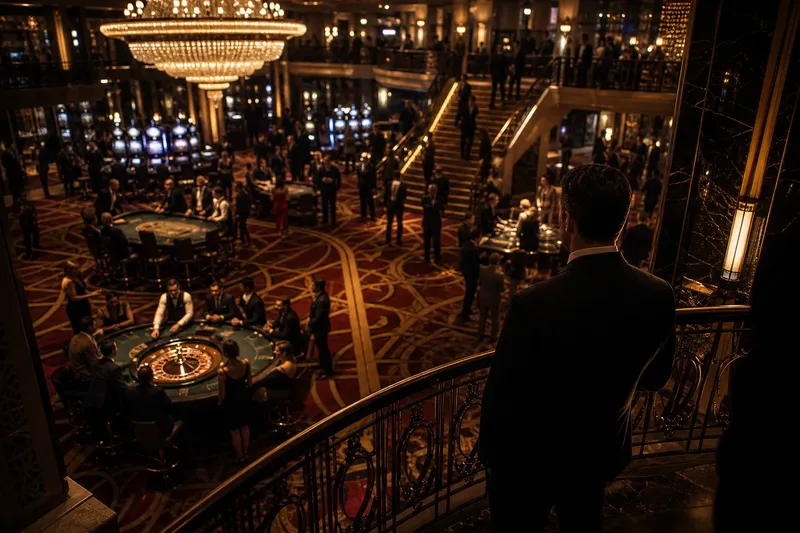
Describe what is visible before interpreting its purpose. Note whether an entrance opens towards a lobby, whether signs point to different activities, or whether an image foregrounds a stage, dining room or gaming area. Then use measured wording: the layout “suggests” a sequence, or the advertisement “presents” the venue as more than a place to gamble. A floor plan is like a seating chart: it records an arrangement, not what happened at every table.
Do not treat decoration as proof of a settled regional identity. A motif or place name may have been chosen for promotion. Before connecting a visual choice to Bình Dương’s history, look for corroboration in records about the site, designers, local organisations or documented programme.
Check each source before making a claim
For every proposed sentence, identify its evidence and decide whether the wording stays within that evidence. Use this check while drafting:
- Check whether the source names a venue. If the name is missing or ambiguous, describe the item without assigning it to a specific casino; if the name is clear, use it with the source’s limits.
- Check whether a date is printed or established by another record. If neither is true, call the item undated and leave it out of a dated chronology; if a date is supported, state what event or object it dates.
- Check whether a plan records a proposal or an existing building. If it is a proposal, describe the intended design; if it documents an existing layout, describe that layout without assuming how it was used.
- Check whether an image has a known creator and provenance. If either is missing, discuss only visible details and flag the uncertain context; if both are established, attribute the image accordingly.
- Check whether a brochure promotes an offer or confirms its delivery. If it is promotional, attribute the claim to the brochure and seek an operational record before describing the offer as available; if a separate record confirms it, cite that record’s scope.
- Check whether an account identifies its speaker, date and basis of knowledge. If those details are unclear, treat it as a lead for further checking; if they are recorded, attribute the account and distinguish recollection from contemporaneous documentation.
- Check whether a visitor-experience claim comes from a recorded account. If no such account survives, describe the space rather than stating what visitors felt or did; if an account does survive, identify whose experience it records.
Which records can answer specific questions?
How can I tell when a casino in Bình Dương opened?
Look for a dated opening notice, official record or contemporaneous report that clearly identifies the venue. If sources disagree, describe the disagreement instead of selecting a date without explaining why.
Does a brochure prove that every advertised attraction operated?
No. It establishes what the publisher promoted, not necessarily what visitors could access. Seek a separate record, such as a dated event notice or operational document, before describing delivery.
Can a floor plan establish that a casino was a destination?
A plan records labelled spaces and their arrangement, which may support an interpretation of the intended experience. It cannot establish popularity, actual use or historical importance on its own.
What can I say when local records are incomplete?
State which evidence survives and what it leaves unresolved. Describe the limits plainly, and identify what kind of further record would support the next claim.
Keep the venue’s story within the record
To write about casino as a destination in Bình Dương, start with a named, traceable source and keep each claim no broader than it allows. A dated plan can support a description of layout; a promotional image can support an account of public presentation; a local report can help establish an event or change. Together, well-described sources can build a history while leaving unsupported gaps visible.
When you review a draft, ask who produced each record, what it directly establishes and what evidence the next claim would require. That discipline makes the account more useful: readers can see both the venue’s documented cultural story and where local archival work still has room to proceed.